How YUVIWEL® (navepegritide) works

How YUVIWEL®(navepegritide)works

Porter, 4 years old

Taking YUVIWEL as part of a clinical trial since age 2.

Others are not actual patients.

Achondroplasia is a rare genetic condition that affects how bones grow and develop. It is caused by a change in a gene called FGFR3.

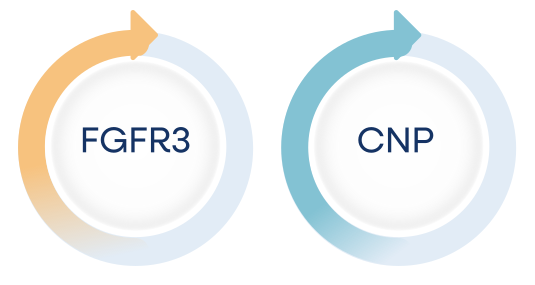
Typical bone growth happens when 2 factors are in balance:

FGFR3, a natural protein, helps slow bone growth.

CNP, a naturally occurring hormone, helps promote bone growth.

Typical bone growth dials
Typical bone growth arrow
Bone growth

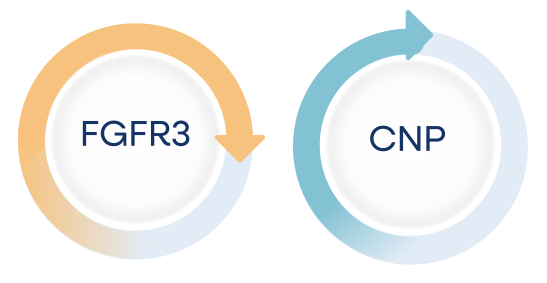
In achondroplasia, FGFR3 is overactive and slows bone growth too much.

As a result, CNP can’t help bones throughout the body grow as they were meant to.
Achondroplasia bone growth dials
Achondroplasia bone growth arrow
Bone growth

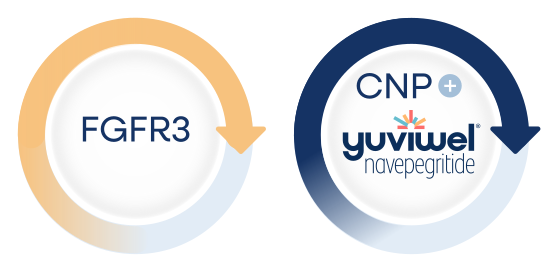
YUVIWEL works with the body’s natural CNP to promote bone growth.

YUVIWEL helps counter the overactive FGFR3 that causes achondroplasia.
YUVIWEL bone growth dials
YUVIWEL bone growth arrow
Bone growth
1x weekly icon
Once-weekly YUVIWEL can be part of a treatment plan designed to help your child grow. The active ingredient is a form of CNP.
Sustained level of CNP icon
YUVIWEL provides a sustained level of CNP throughout the week.
Your child can take YUVIWEL from age 2 icon
Your child can take YUVIWEL from age 2 until their growth plates close.
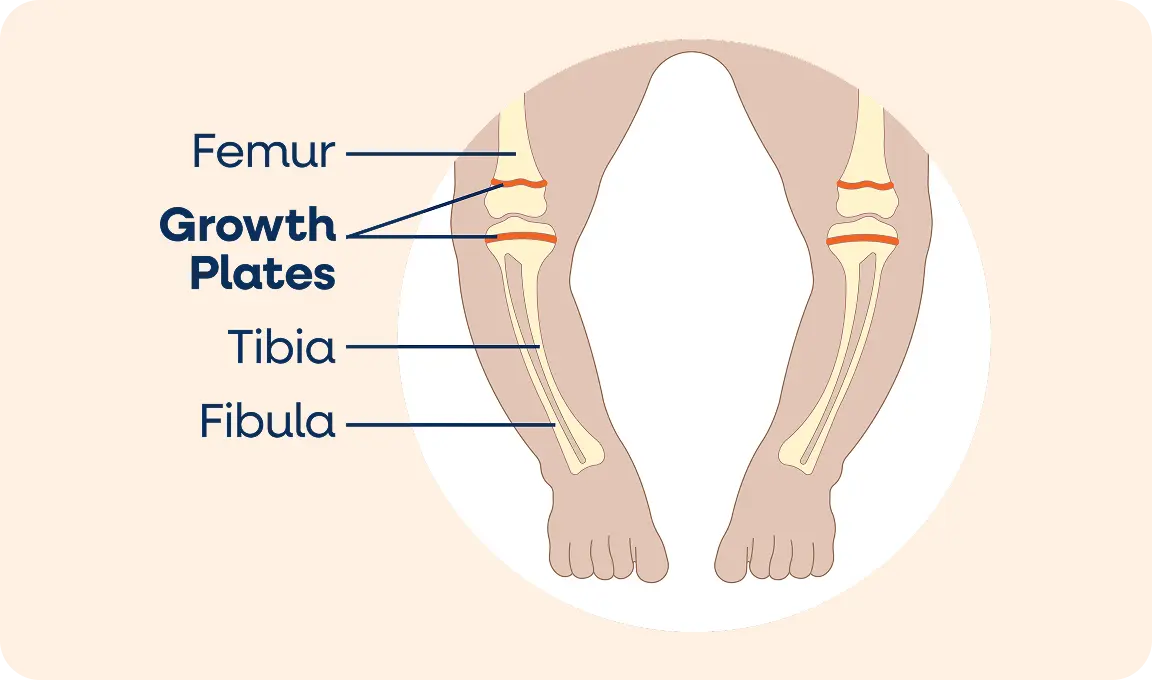
Growth plates are the parts of a child's bones that make growth possible. You may hear growth plates being referred to as “open” or “closed.”
  • Open growth plates mean growth is still possible
  • Closed growth plates mean that bones are fully hardened and no more growth is possible
Growth plates diagram

Connect with a PAL and register for updates

A Patient Access Liaison (PAL) can provide you with individualized support and education about achondroplasia and treatment with YUVIWEL. Fill out the form below to receive important information about YUVIWEL and connect with a PAL.

*Required field.

Connect With a PAL

By checking this box, I confirm that I would like an Ascendis Patient Access Liaison to contact me with information about achondroplasia. I understand the PAL is not providing me medical advice and is not part of my healthcare team. I further certify that I am a resident of the United States and 18 years or older.

A PAL will reach out to you via phone.

Marketing Communications

By checking this box, I am agreeing to receive marketing communications from Ascendis Pharma and its service providers or partners, such as newsletters and updates, and to allow them to contact me for my opinion regarding products, programs, and services.

I understand that at any time I may unsubscribe by clicking on the designated link in the material.

Privacy Consent, Privacy Notice, and Terms of Use

By checking this box, I give my consent to the collection and processing of the personal and/or sensitive information requested above for the purposes I selected above. I understand that the information will be handled in accordance with the Ascendis Pharma Privacy Policy and Terms of Use. I understand that I may withdraw my consent at any time by contacting Ascendis at DataPrivacy@ascendispharma.com.

What is YUVIWEL?
YUVIWEL is a prescription medicine used to increase linear growth in children 2 years and older with achondroplasia with open growth plates (epiphyses).

YUVIWEL is approved under accelerated approval based on an improvement in annualized growth velocity. Continued approval may be contingent upon verification and description of clinical benefit in confirmatory trials.

USE AND IMPORTANT SAFETY INFORMATION

IMPORTANT SAFETY INFORMATION

What are the possible side effects of YUVIWEL?
YUVIWEL may cause serious side effects, including risk of low blood pressure. If your child experiences a decrease in blood pressure or symptoms of low blood pressure (dizziness, feeling tired, and/or nausea) while being treated with YUVIWEL, call your child’s healthcare provider.

The most common side effects of YUVIWEL include injection site

What is YUVIWEL?
YUVIWEL is a prescription medicine used to increase linear growth in children 2 years and older with achondroplasia with open growth plates (epiphyses).

YUVIWEL is approved under accelerated approval based on an improvement in annualized growth velocity. Continued approval may be contingent upon verification and description of clinical benefit in confirmatory trials.

USE AND IMPORTANT SAFETY INFORMATION

What is YUVIWEL?
YUVIWEL is a prescription medicine used to increase linear growth in children 2 years and older with achondroplasia with open growth plates (epiphyses).

YUVIWEL is approved under accelerated approval based on an improvement in annualized growth velocity. Continued approval may be contingent upon verification and description of clinical benefit in confirmatory trials.

IMPORTANT SAFETY INFORMATION

What are the possible side effects of YUVIWEL?

YUVIWEL may cause serious side effects, including risk of low blood pressure. If your child experiences a decrease in blood pressure or symptoms of low blood pressure (dizziness, feeling tired, and/or nausea) while being treated with YUVIWEL, call your child’s healthcare provider.

The most common side effects of YUVIWEL include injection site reactions (redness, itching, skin discoloration, bleeding, swelling, bruising, pain, and blistering).

Before you give YUVIWEL to your child, tell the healthcare provider about all of your child’s medical conditions, including if they:

  • have kidney problems
  • are pregnant or plan to become pregnant. It is not known if YUVIWEL will harm the unborn baby
  • are breastfeeding or plan to breastfeed. It is not known if YUVIWEL passes into breast milk

Tell the healthcare provider about all the medicines your child takes, including prescription and over-the-counter medicines, vitamins, and herbal supplements.

These are not all of the possible side effects of YUVIWEL. Call your doctor for medical advice about side effects. You are encouraged to report side effects to FDA at 1-800-FDA-1088 or at www.fda.gov/medwatch. You may also report side effects to Ascendis Pharma at 1-844-442-7236.

CNP=C-type natriuretic peptide; FGFR3=fibroblast growth factor receptor 3.